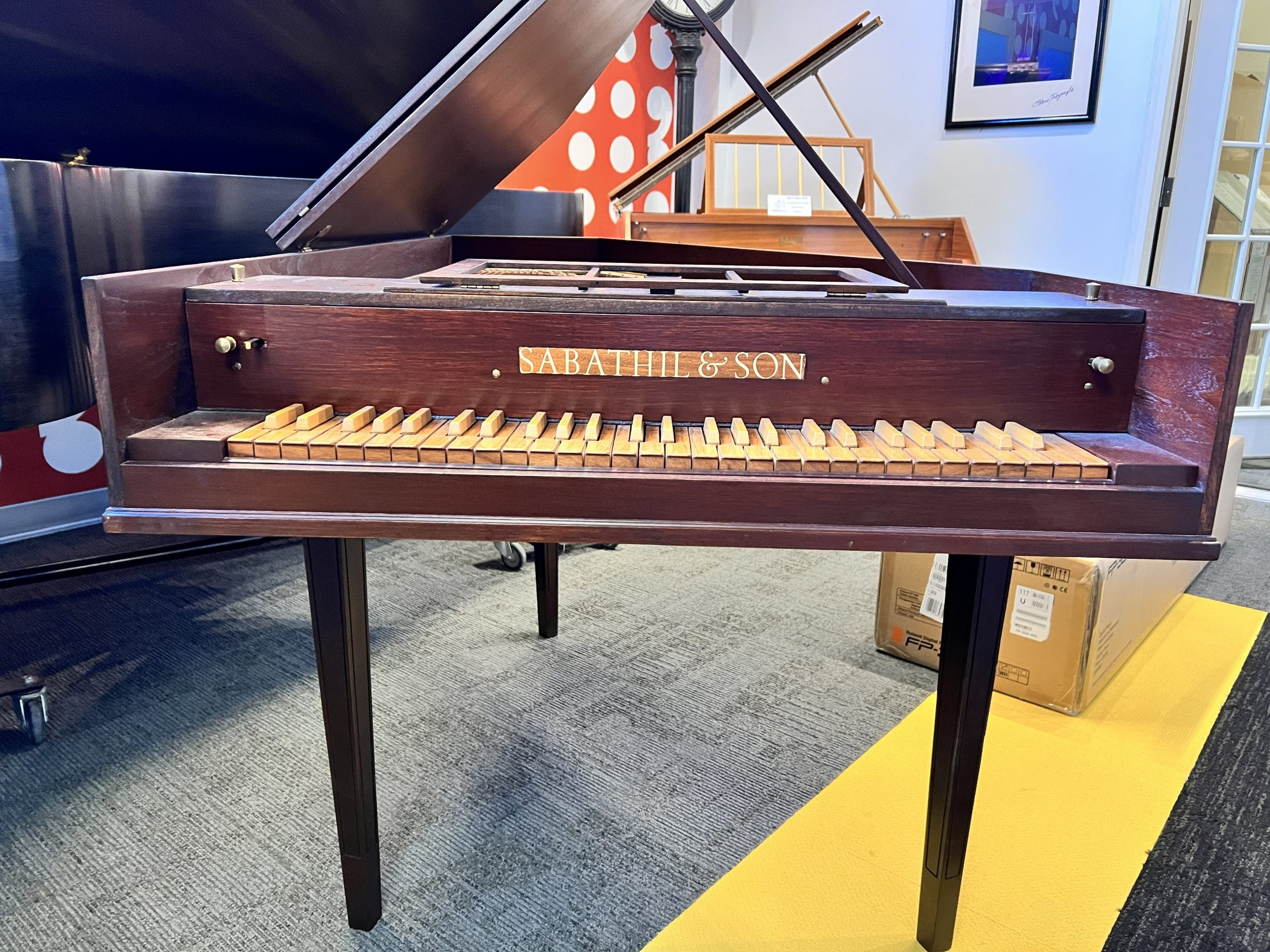
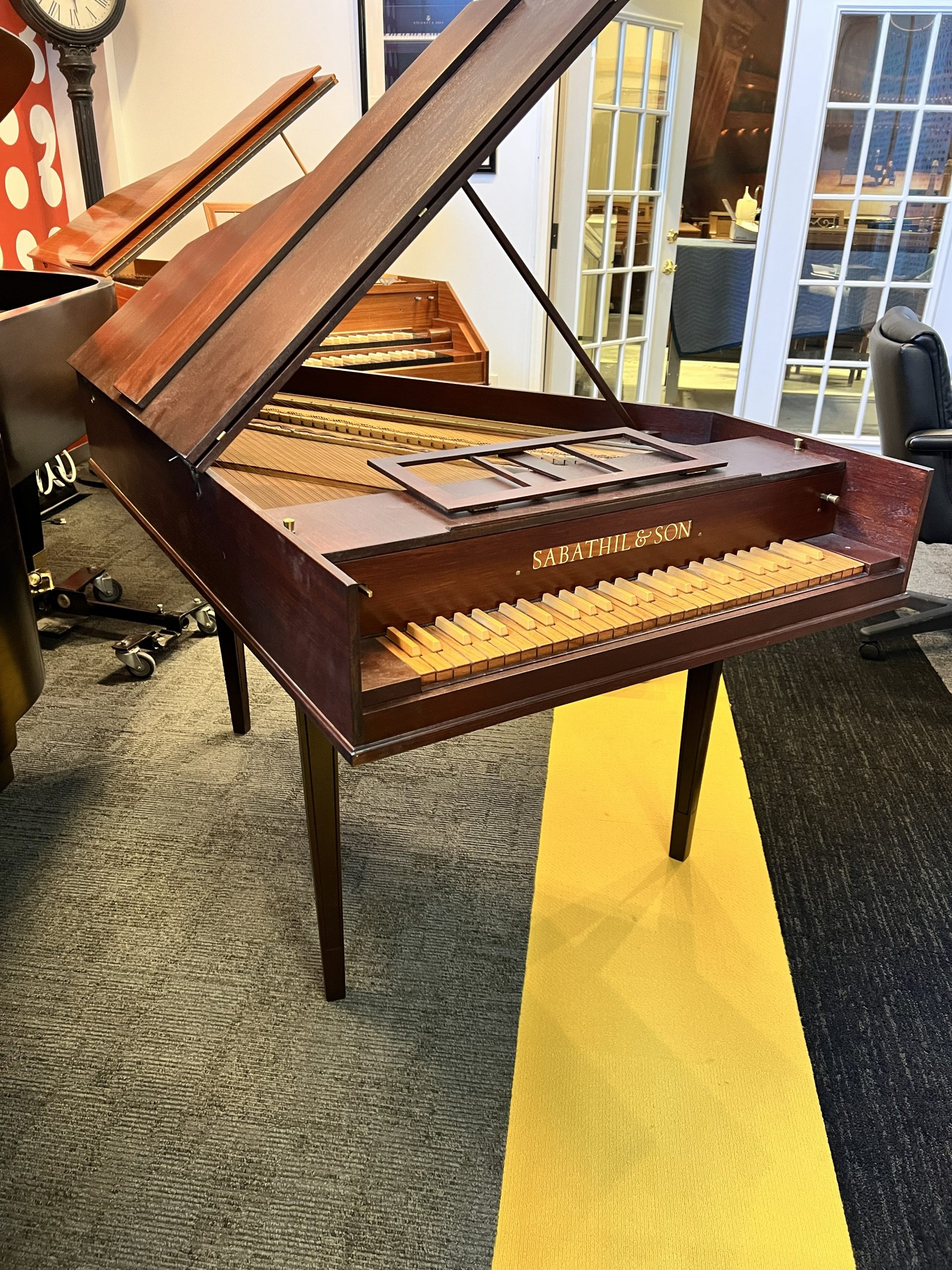
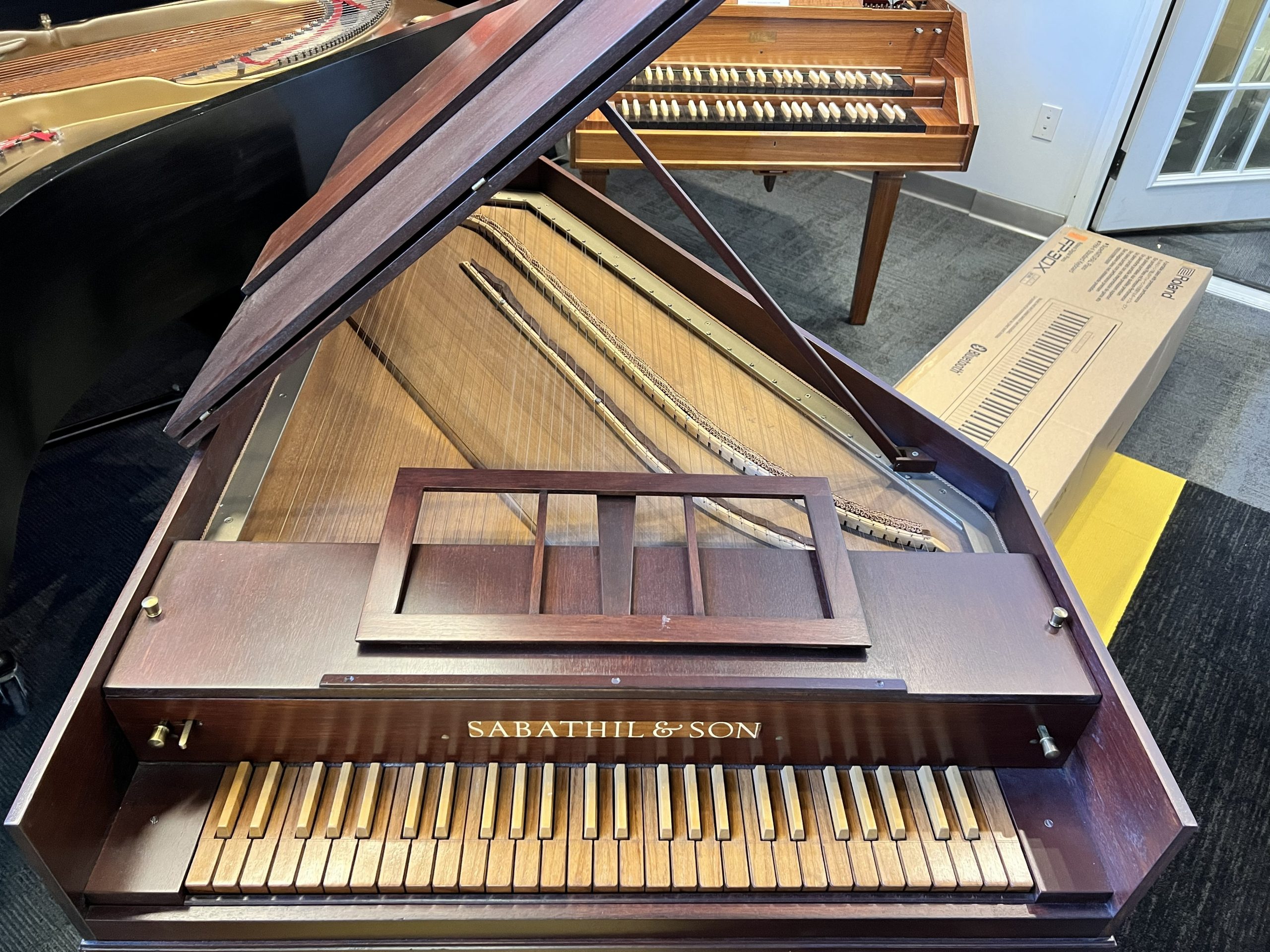
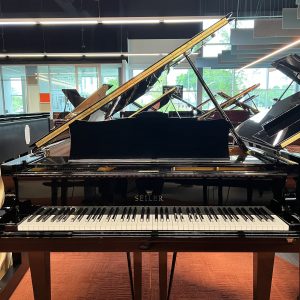
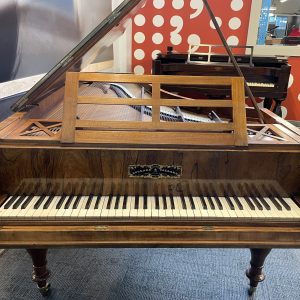
Sabathil & Son did not become a mainstream piano manufacturer in the same way as Steinway, Mason & Hamlin, or Yamaha, the company’s instruments often blurred the line between harpsichord and piano engineering. Many Sabathil keyboard instruments incorporated structural concepts borrowed directly from piano construction, including reinforced cabinetry, metal framing, increased string tension, and highly durable internal mechanisms.
The company emerged during the mid-20th-century early music revival, a period when musicians and instrument makers sought to reintroduce historical keyboard instruments such as the harpsichord to concert stages and conservatories. Unlike historically authentic Baroque instruments, which were generally lightweight and delicately voiced, Sabathil & Son developed instruments with modernized engineering intended for contemporary performance settings. Their keyboard instruments were designed to offer greater tuning stability, projection, and structural durability, qualities familiar to piano technicians and pianists accustomed to modern acoustic pianos.
One of the defining characteristics of Sabathil instruments is their exceptionally solid construction. Some models utilized aluminum or metal reinforcement systems. The heavier construction also resulted in instruments that were considerably more substantial in weight than traditional European harpsichords, often drawing comparisons to upright or baby grand pianos in terms of mass and cabinet strength.
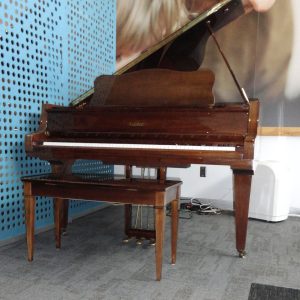
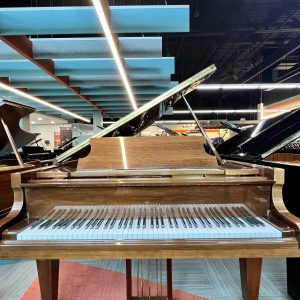
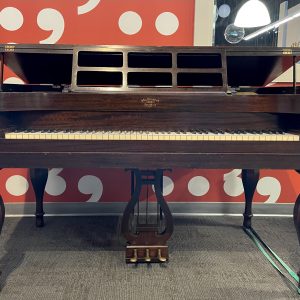
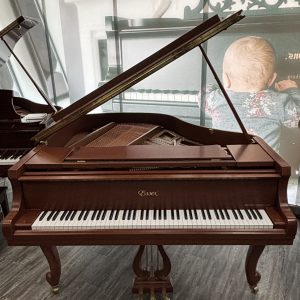
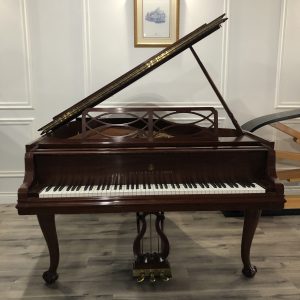
Visually, Sabathil & Son instruments frequently reflected classical European styling while incorporating modern manufacturing methods. Cabinets were commonly crafted with walnut or hardwood veneers, decorative soundboards, elegant music desks, and polished finishes that gave the instruments the appearance of fine furniture.
Tonally, Sabathil keyboard instruments developed a distinctive reputation. Compared to historically inspired harpsichords, they produced a brighter, more powerful, and more sustained sound with greater projection suitable for larger recital spaces. Some performers appreciated the orchestral strength and reliability of these instruments, while historical purists criticized them for departing too far from authentic Baroque tonal ideals. As a result, Sabathil instruments became symbolic of the “revival harpsichord” movement that preceded the rise of historically informed instrument building in the later 20th century.
Over time, Sabathil & Son also became involved in the restoration and servicing of antique keyboard instruments, including pianos. According to historical accounts from the company’s later years, Sigurd Sabathil expanded the workshop’s activities beyond harpsichord construction into restoration work for antique pianos and historical keyboard instruments throughout Canada and North America.
Today, Sabathil & Son instruments occupy a unique niche among collectors, technicians, and keyboard enthusiasts. Surviving examples are valued for their historical importance in the mid-century early music revival movement, their distinctive tonal character, and their unusually durable construction. Opinions among musicians remain divided: some admire the instruments’ stability and bold sound, while others prefer lighter, historically authentic reproductions. Nevertheless, Sabathil & Son remains an important name in the history of 20th-century keyboard instrument craftsmanship and innovation.